Banking Mobile App Exploration: Designing Trust in a Digital-First World
The modern financial landscape has shifted dramatically from brick-and-mortar branches to the screens in our pockets. For designers, developers, and financial institutions, this transition presents a unique challenge: how do you replicate the sense of security, professionalism, and ease of a physical bank within a few inches of glass? This is where Banking Mobile App Exploration becomes essential. It is not merely about creating a pretty interface; it is about architecting a seamless digital experience that handles sensitive data while offering a suite of comprehensive services.
When we talk about exploring banking app designs, we are looking at a holistic ecosystem. It goes beyond simple balance checks. Today’s users expect a one-stop-shop for their entire financial life. This includes paying bills online, accessing marketing consulting for small businesses, connecting with financial advisors, managing insurance policies, and even utilizing HR consulting tools for business owners. A well-executed mobile app template serves as the foundation for this complex web of interactions, ensuring that every touchpoint feels intuitive and secure.
The Intersection of Design and Functionality
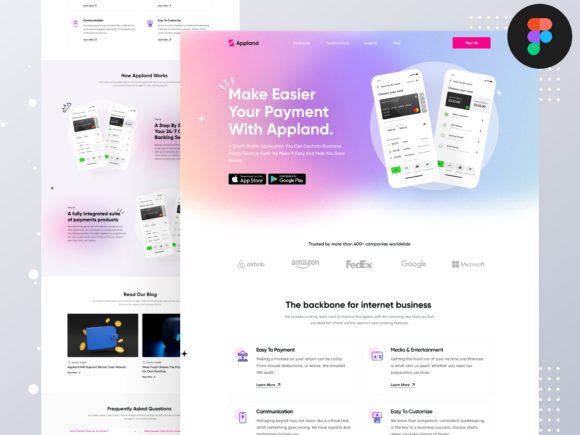
A successful banking application relies heavily on its underlying structure. This is why many professionals turn to predefined web elements and templates that prioritize both aesthetics and performance. A high-quality Banking Mobile App Exploration template typically comes with a modern UI and unique design crafted in tools like Figma. These resources are invaluable because they offer a head start on the most critical aspect of app development: user trust.
Consider the visual language of finance. It needs to be clean, minimal, and authoritative. Clutter creates anxiety, especially when money is involved. By utilizing a template based on best practices of web development, such as the Bootstrap grid system or a 1170px grid layout, designers can ensure consistency across all devices. Whether a user is checking their investment portfolio on a tablet during a commute or transferring funds via a smartphone at home, the experience must remain fluid. The use of vector icons and customizable artboards allows teams to tweak the look without breaking the functional integrity of the layout.
Real-World Applications Across Industries
The versatility of a robust banking app design extends far beyond traditional retail banking. Different audiences utilize these platforms in distinct ways, and understanding these scenarios is key to effective design exploration.
For the Everyday Consumer
For the average user, speed and clarity are paramount. They want to pay online quickly, view transaction histories without confusion, and set up automatic savings. A well-designed interface simplifies these tasks. For instance, clear typography using free fonts from Google Fonts ensures readability, while well-organized layers in the design file allow developers to implement dark mode or accessibility features easily. When the UI is minimal and modern, users spend less time figuring out how to navigate and more time managing their finances effectively.
For Small Business Owners and Entrepreneurs
Business banking requires a different set of tools. Here, the app becomes a command center. Entrepreneurs need access to accounting services, insurance brokers, and investment consultants directly through the platform. A comprehensive app template accommodates these additional modules. Imagine a dashboard where a business owner can not only check cash flow but also book a session with an HR consultant or review advertising consulting metrics. This integration saves time and reduces the friction of switching between multiple apps. The ability to customize Figma files means that these specialized sections can be tailored to highlight the most relevant data for business users, such as invoice status or tax estimates.
For Financial Advisors and Consultants
Professionals in the financial sector also benefit from these explorations. A polished mobile presence enhances credibility. When a financial advisor shares a link to their firm’s app, the design reflects their brand’s professionalism. Templates that offer fully vector customizable elements allow firms to maintain strict brand guidelines while leveraging pre-built, tested components. This ensures that the app looks awesome on all devices, reinforcing the advisor’s reputation for attention to detail and modernity.
Technical Considerations for Developers and Designers
Choosing the right foundation for your banking app is a critical decision. While creativity is important, reliability is non-negotiable. This is why many teams opt for templates that are highly customizable yet built on solid frameworks. A template based on the Bootstrap grid system offers responsiveness by default. This means that the layout adapts seamlessly to various screen sizes, from wide desktop monitors to narrow mobile screens.
One of the significant advantages of using a structured Figma file for Banking Mobile App Exploration is organization. In complex projects, messy files lead to development errors. High-quality templates feature well-organized layers, where every element is named and grouped properly. This makes it easy for developers to find specific artboards, folders, and components. It streamlines the handoff process from design to code, reducing the time spent on debugging layout issues. Furthermore, the inclusion of vector illustrations and icons ensures that graphics remain crisp at any resolution, a crucial factor for maintaining a premium feel.
Navigating Customization and Brand Identity
While templates provide a strong starting point, customization is where the brand identity comes to life. A generic banking app will fail to engage users. The strength of a good exploration template lies in its flexibility. With 100% customizable Figma files, designers can adjust color palettes, typography, and spacing to match their institution’s voice. However, there are limitations to consider. Over-customization can sometimes break the responsive behavior if not done carefully. It is essential to stick to the grid systems provided, such as the full-width 1600px layouts or the standard 1170px containers, to ensure stability.
Moreover, the choice of visuals matters. Amazing vector illustrations can make complex financial concepts more approachable. For example, using friendly, abstract graphics to explain investment risks can reduce user anxiety. But these elements must align with the overall minimal modern design. Too much decoration can distract from the primary tasks. The goal is to guide the user’s eye to the most important actions, such as “Pay Online” or “Contact Advisor,” without overwhelming them.
The Role of Comprehensive Services in User Retention
In today’s competitive market, a banking app is rarely just about banking. It is about lifestyle management. Integrating services like marketing consulting, advertising consulting, and accountant services creates a sticky ecosystem. Users are more likely to remain loyal to a platform that solves multiple problems. For instance, a freelancer might use the app to manage personal savings, invoice clients, and consult with a tax expert. By offering these diverse services within a single, cohesive interface, financial institutions can increase engagement and customer lifetime value.
This approach requires careful UX planning. Each service module must feel like a natural part of the whole, not an afterthought. This is where the component-based nature of modern design tools shines. Designers can create reusable components for different service cards, ensuring a consistent look and feel across the app. Whether a user is browsing insurance options or scheduling a meeting with a financial advisor, the interaction patterns should remain familiar and predictable.
Making the Right Choice for Your Project
Before diving into development, it is crucial to assess your specific needs. Are you building for a niche market, such as freelance creatives, or a broad consumer base? Do you need heavy integration with third-party services like HR consulting firms? Answering these questions will help you determine how much customization your template requires. Look for resources that offer clear documentation and support. A package that includes one comprehensive Figma file with all necessary artboards and assets is often more valuable than a disjointed collection of screens.
Ultimately, Banking Mobile App Exploration is about balancing innovation with reliability. It involves leveraging modern tools and predefined elements to create a secure, efficient, and engaging digital environment. By focusing on real-world user scenarios and maintaining a clean, organized design structure, you can build a product that not only looks great but also serves as a trusted companion in your users’ financial journeys. The right template provides the scaffolding; your insight and customization bring it to life.