Tie Dye Seamless Pattern Guide
Visual trends move quickly, but few styles manage to capture the spirit of an era while remaining perpetually fresh. The Tie Dye Seamless Pattern is one such design element that has transcended its counter-culture roots to become a staple in modern digital and physical product creation. Whether you are a small business owner looking to launch a new apparel line, a web designer seeking vibrant backgrounds, or a hobbyist creating handmade cards, this colorful, groovy aesthetic offers a versatile solution for adding energy and personality to your projects.
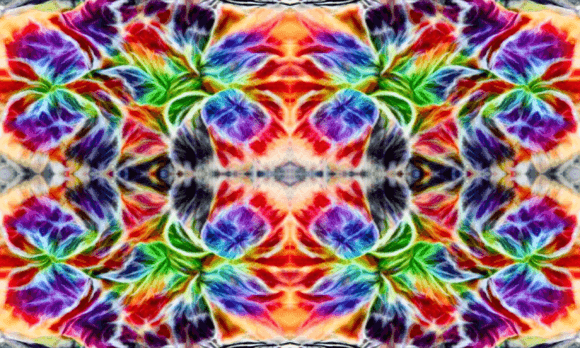
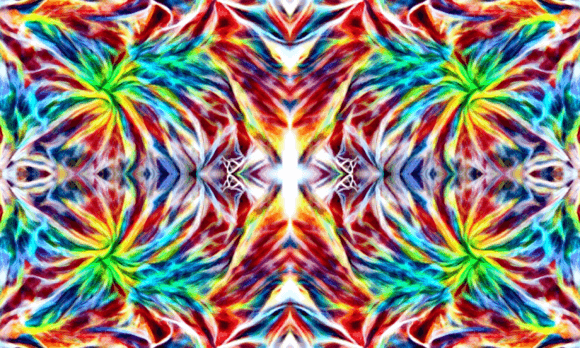
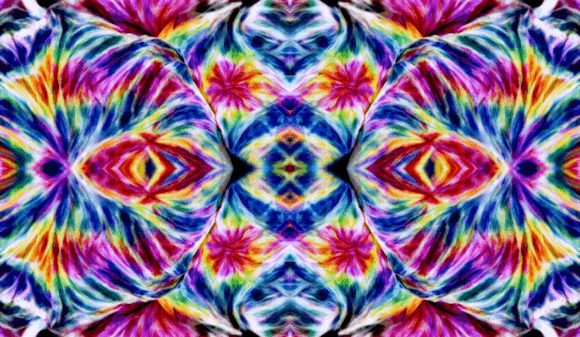
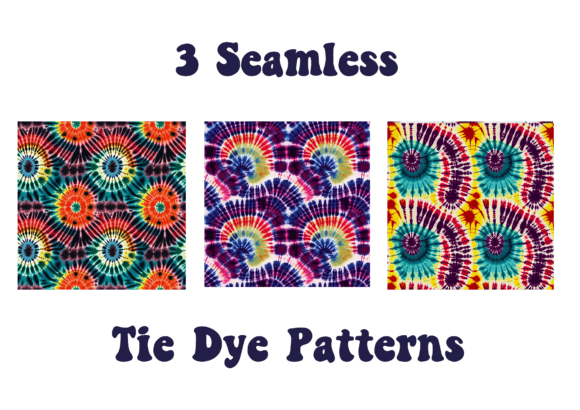
At its core, a seamless pattern is a digital image that can be repeated horizontally and vertically without any visible seams or breaks. When applied to tie-dye art, this technique transforms chaotic, organic swirls of color into a uniform, endless texture. This specific collection goes beyond standard spirals, offering a trendy, fabric-art inspired look that feels both nostalgic and contemporary. It includes a high-resolution PNG file designed for easy tiling, along with bonus elements like a brush stroke and a heart-shaped background, providing creators with a comprehensive toolkit for diverse applications.
Understanding the Appeal of Groovy Textures
The resurgence of tie-dye is not merely a fashion fad; it is a reaction to the sterile, minimalist designs that dominated the early 2010s. People are craving warmth, imperfection, and human touch in their visual environments. A colourful trendy tie dye fabric art inspired seamless pattern delivers exactly that. It mimics the unpredictable nature of hand-dyed textiles, where colors bleed into one another in soft, organic gradients. This creates a sense of depth and movement that flat colors simply cannot achieve.
For creators, the value lies in the balance between chaos and order. While traditional tie-dye can be overwhelming if used incorrectly, a seamless pattern allows you to control the intensity. You can use it as a subtle background texture or a bold foreground element. The "groovy" aspect refers to the retro 70s influence, which is currently very popular in branding for lifestyle products, coffee shops, and boutique clothing lines. It evokes feelings of freedom, creativity, and fun, making it an excellent choice for brands that want to appear approachable and lively.
Practical Applications for Creators and Entrepreneurs
One of the greatest strengths of this digital asset is its versatility. Because it comes as a tileable PNG file, it can be scaled and repeated to cover any surface area, from a small smartphone screen to a large banner. Here are several practical ways to integrate this pattern into your workflow:
- Sublimation Printing: This is perhaps the most popular use case. Sublimation requires high-resolution images that can wrap around products like mugs, phone cases, and polyester fabrics. The seamless nature of the file ensures that the design looks continuous on curved surfaces, avoiding awkward cut-offs or white spaces.
- Fabric and Apparel Design: Fashion designers and print-on-demand sellers can use this pattern to create all-over prints for leggings, shirts, and scarves. The fabric-art inspiration means it already looks natural on textile mockups, reducing the need for extensive editing.
- Web and UI Elements: Web designers can use the pattern as a background for landing pages, hero sections, or blog headers. When overlaid with a semi-transparent color block, it adds visual interest without distracting from the main text. It is particularly effective for creative portfolios, event websites, or youth-oriented brands.
- Cardmaking and Scrapbooking: For paper crafters, the included brush stroke and heart-shaped background elements are invaluable. You can layer the tie-dye pattern behind the heart shape to create custom Valentine’s Day cards, birthday invitations, or journal covers. The brush stroke can be used as a decorative divider or a highlight behind key text.
Maximizing the Included Bonus Elements
While the seamless pattern is the star of the show, the additional assets included in this pack significantly expand its utility. The brush stroke element adds a raw, artistic flair that complements the fluidity of the tie-dye. It is perfect for creating custom buttons, framing quotes, or highlighting special offers in social media graphics. By placing the brush stroke over the pattern, you create a layered effect that adds dimension to flat digital designs.
The heart-shaped background element offers a pre-made composition that saves time for those working on romantic or affectionate themes. Instead of manually masking the pattern into a heart shape, you can drop this element directly into your project. It is ideal for wedding invitations, anniversary posts, or merchandise targeting couples. These extras demonstrate a thoughtful approach to design, acknowledging that users often need more than just a repeating texture to complete a project.
Technical Considerations for Best Results
To get the most out of your Tie Dye Seamless Pattern, it is important to understand some basic technical principles. First, always check the resolution of the PNG file. For print projects like sublimation or fabric, you generally need a resolution of at least 300 DPI (dots per inch) to ensure crisp edges and vibrant colors. For web use, 72 DPI is standard, but higher resolutions allow for better scaling on retina displays.
When tiling the pattern, ensure that your software is set to "repeat" or "tile" mode correctly. Most graphic design programs like Adobe Photoshop, Illustrator, or free alternatives like GIMP and Canva have specific tools for creating seamless patterns. If you notice a visible line where the image repeats, check your alignment settings. The provided file is designed to tile perfectly, so any visible seams are usually due to incorrect scaling or placement in the design software.
Color management is another critical factor. Tie-dye relies on vibrant, saturated colors. However, screens display color in RGB (Red, Green, Blue), while printers use CMYK (Cyan, Magenta, Yellow, Key/Black). Some neon or bright shades may appear duller when printed. It is advisable to do a test print on a small sample before committing to a large production run. Adjusting the saturation and contrast slightly can help bridge the gap between digital preview and physical output.
Why This Pattern Fits Modern Design Needs
In a crowded marketplace, standing out requires distinct visual identity. The cool, groovy nature of this pattern helps brands and creators differentiate themselves from competitors using generic stock photos or flat vectors. It signals creativity and a willingness to embrace boldness. For educators and bloggers, it can make educational materials or blog posts more engaging and less intimidating. For entrepreneurs, it offers a cost-effective way to produce professional-looking merchandise without hiring a custom illustrator for every new design.
Moreover, the ease of use makes it accessible to beginners. You do not need advanced skills in textile design or complex software to utilize this asset. Simply drag, drop, and scale. This democratization of design allows more people to bring their creative visions to life, whether they are making a single gift for a friend or launching a full-scale e-commerce store.
Ultimately, the Tie Dye Seamless Pattern is more than just a pretty image. It is a functional design tool that bridges the gap between retro nostalgia and modern digital convenience. By understanding its characteristics and potential applications, you can unlock new creative possibilities and add a splash of vibrant energy to your next project. Whether you are printing on fabric, designing a website, or crafting a heartfelt card, this versatile pattern provides the perfect foundation for expressive, eye-catching results.