Unleashing Creativity with Tie Dye Inspired Seamless Pattern 13: A Guide to Modern Digital Design
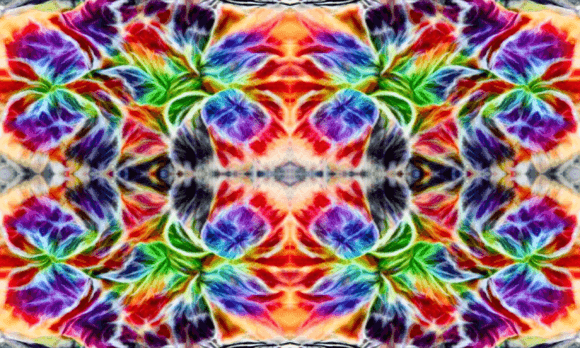
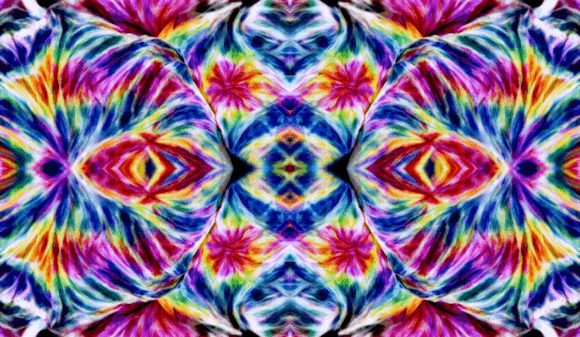
In the ever-evolving landscape of digital design and textile art, few trends have captured the public imagination quite like the resurgence of tie-dye. Once synonymous with counterculture movements of the 1960s and 70s, this vibrant aesthetic has been reimagined for the modern era. At the forefront of this revival is Tie Dye Inspired Seamless Pattern 13, a colourful, trendy fabric art-inspired design that bridges the gap between nostalgic groovy vibes and contemporary digital utility. Whether you are a seasoned graphic designer, a hobbyist crafter, or a business owner looking to refresh your brand’s visual identity, understanding how to leverage this pattern can unlock a world of creative possibilities.
The Evolution of Tie-Dye in Modern Design
To fully appreciate the value of Tie Dye Inspired Seamless Pattern 13, it is essential to understand its context. Traditional tie-dye involves folding, twisting, pleating, or crumpling fabric and binding it with string or rubber bands, followed by the application of dye. The result is organic, unpredictable, and uniquely human. However, in the digital age, replicating this look requires precision and versatility. This is where seamless patterns come into play.
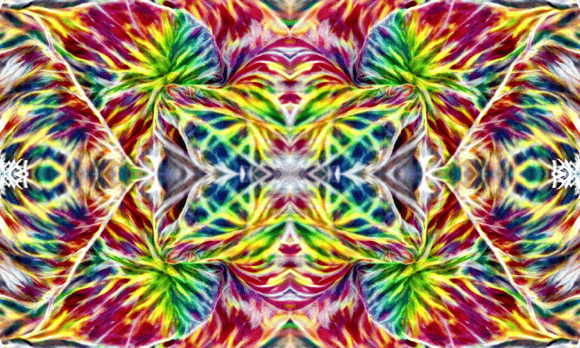
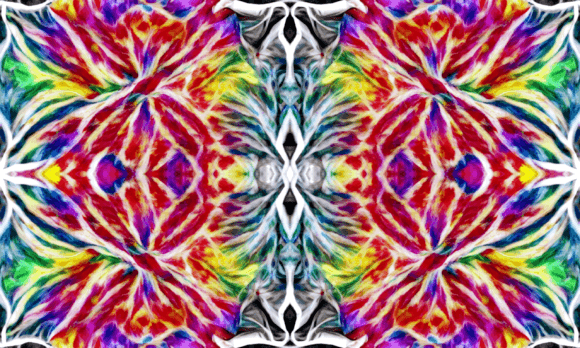
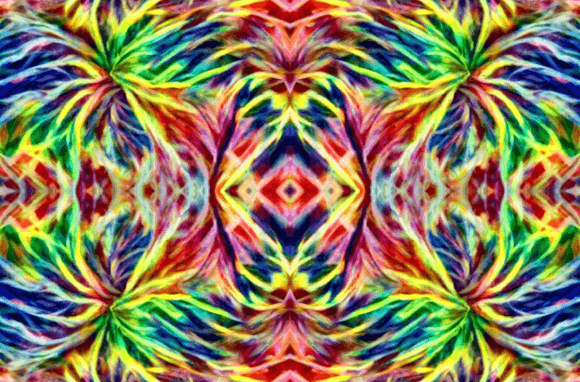
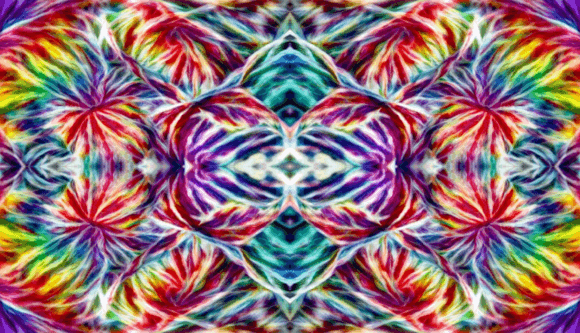
A seamless pattern is a digital image that can be repeated horizontally and vertically without any visible seams or breaks. Tie Dye Inspired Seamless Pattern 13 captures the fluidity and chaotic beauty of hand-dyed fabrics but offers the consistency needed for professional projects. It represents a shift from purely analog craftsmanship to hybrid digital-artistic workflows, allowing creators to maintain the "cool, groovy" aesthetic while ensuring technical reliability across various mediums.
Why Choose a Seamless Tie-Dye Pattern?
The primary advantage of using a pre-designed seamless pattern like Pattern 13 is efficiency. Creating a high-quality, tileable tie-dye effect from scratch requires advanced skills in software like Adobe Photoshop or Illustrator, along with a keen eye for color theory and texture. By utilizing a ready-made asset, designers save hours of work while still achieving a bespoke look. Furthermore, these patterns are optimized for resolution and color depth, ensuring they look crisp whether printed on a small greeting card or scaled up for a large sublimation print.
Practical Applications Across Industries
The versatility of Colourful trendy Tie dye fabric art inspired seamless pattern makes it suitable for a wide array of projects. Its adaptability is one of its strongest selling points, catering to both physical products and digital interfaces. Below, we explore some of the most impactful ways to integrate this design into your workflow.
Sublimation Printing and Fabric Design
Sublimation printing is a process where heat and pressure are used to transfer dye onto materials like polyester fabric, mugs, and phone cases. Because this method relies on high-resolution images, Tie Dye Inspired Seamless Pattern 13 is an ideal candidate. The included PNG file is designed to be tiled, meaning you can cover a large area of fabric—such as a yoga mat, leggings, or a full-sized bedsheet—without worrying about mismatched edges or visible grid lines. The vibrant colors inherent in tie-dye designs pop exceptionally well on sublimation prints, making them a favorite for apparel brands targeting younger demographics.
Digital Web Elements and UI Design
Beyond physical products, this pattern serves as a powerful tool for web design. In user interface (UI) design, background textures can add depth and personality to otherwise flat layouts. Using the tie-dye pattern as a subtle background for landing pages, banners, or social media posts can create a sense of energy and movement. It is particularly effective for brands in the lifestyle, wellness, or creative sectors that want to convey a sense of freedom and individuality. When used correctly, the pattern does not overwhelm the content but rather enhances the user experience by providing a visually engaging backdrop.
Cardmaking and Scrapbooking
For crafters, the inclusion of additional elements such as the brush stroke element and the heart shaped background element adds significant value. These components allow for layered compositions. For instance, a handmade greeting card might feature the heart element as a focal point, overlaid with a textured brush stroke, all set against a tiled section of the tie-dye pattern. This layering technique mimics the complexity of mixed-media art, giving homemade projects a professional finish. The organic shapes of the tie-dye complement the handmade nature of cardmaking, creating a cohesive aesthetic that feels both personal and polished.
Understanding the Included Assets
When you acquire Tie Dye Inspired Seamless Pattern 13, you are not just getting a single image; you are receiving a toolkit. Understanding each component helps maximize its potential.
- The Seamless PNG File: This is the core asset. It is a high-resolution Portable Network Graphics file that supports transparency if needed, though typically used for its rich color data. The key feature here is its "tileability." You can repeat this image infinitely in design software to create backgrounds of any size.
- The Brush Stroke Element: This asset provides a dynamic, artistic accent. Brush strokes can be used to frame text, highlight specific areas of a design, or add a sense of motion. In the context of tie-dye, which is fluid and free-flowing, a brush stroke reinforces the organic theme.
- The Heart Shaped Background Element: Perfect for Valentine’s Day promotions, wedding invitations, or love-themed merchandise, this element adds a symbolic layer to the design. It can be used as a mask for photos or as a standalone graphic element within a larger composition.
Best Practices for Implementation
To get the most out of this pattern, consider the following best practices. First, always check the resolution requirements of your final output. For print, ensure your design software is set to 300 DPI (dots per inch). For web, 72 DPI is standard, but higher resolutions are often used for retina displays. Second, pay attention to color contrast. Since tie-dye patterns are inherently busy and colorful, ensure that any text or foreground elements stand out clearly. Using solid-colored overlays or semi-transparent boxes can help legibility.
Another common misunderstanding is that seamless patterns must be used in their entirety. In reality, you can crop, zoom, or rotate the pattern to create new variations. Zooming in on a specific section of Tie Dye Inspired Seamless Pattern 13 might reveal abstract shapes that work well as unique icons or avatars. Experimentation is key to discovering the full range of what this asset can do.
Integrating into Your Creative Workflow
For those new to digital design, integrating these elements might seem daunting. However, most modern design tools, from Canva to Adobe Creative Cloud, support PNG files with transparency. Start by importing the seamless PNG into your canvas. Use the "pattern fill" or "tile" function if available, or manually duplicate and align the image until the seams disappear. Next, layer the brush stroke or heart element on top. Adjust the opacity and blending modes (such as "Multiply" or "Overlay") to see how the elements interact with the background. This non-destructive editing process allows you to tweak the design until it perfectly matches your vision.
The Broader Impact of Trendy Design Assets
In today’s fast-paced digital economy, access to high-quality, trendy design assets like Colourful trendy Tie dye fabric art inspired seamless pattern levels the playing field. Small businesses and independent creators can produce professional-grade marketing materials without hiring expensive design agencies. This democratization of design fosters innovation and allows for greater diversity in visual culture. By adopting these tools, creators contribute to a vibrant online ecosystem where aesthetics play a crucial role in communication and brand identity.
Moreover, the popularity of tie-dye reflects a broader cultural desire for authenticity and joy. In a world that can often feel rigid and structured, the loose, colorful nature of tie-dye offers a visual escape. It reminds us of playfulness and creativity. Using such patterns in everyday projects—from office presentations to home decor—can inject a dose of positivity and energy into daily life.
Conclusion
Tie Dye Inspired Seamless Pattern 13 is more than just a digital file; it is a gateway to creative expression. Its combination of nostalgic appeal and modern functionality makes it an invaluable resource for designers, crafters, and entrepreneurs alike. By understanding how to tile the pattern, utilize the supplementary brush and heart elements, and apply best practices for print and web, you can create stunning, professional-quality projects that resonate with audiences. Whether you are designing the next big fashion trend or simply making a heartfelt card, this versatile pattern provides the foundation for endless artistic exploration.