Strategic Design Decisions: Leveraging a Tie Dye Inspired Seamless Pattern for Brand Impact
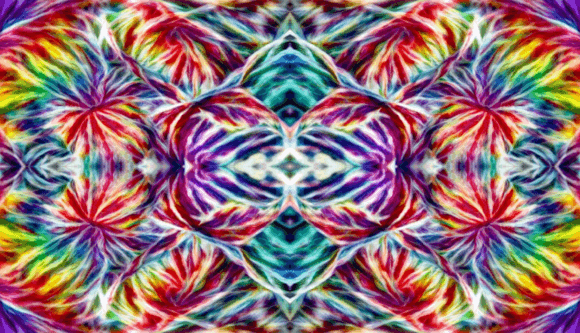
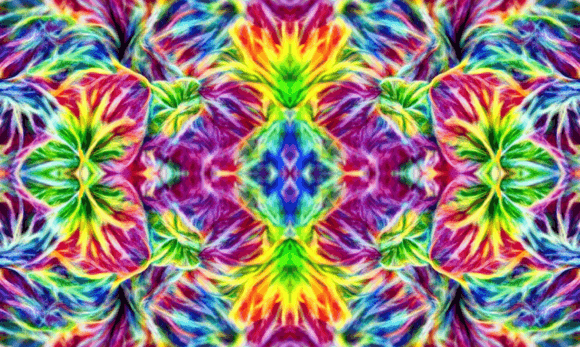
In the current visual landscape, where attention is the most scarce currency, the choice of background elements and textural overlays can determine the success or failure of a creative project. A Tie Dye Inspired Seamless Pattern represents more than just a nostalgic nod to the 1960s; it is a versatile design asset that, when applied with strategic intent, can significantly enhance brand positioning, user engagement, and product appeal. This specific type of digital resource—often characterized by fluid color transitions, organic shapes, and a handcrafted aesthetic—offers a unique opportunity to inject personality into professional outputs without sacrificing coherence.
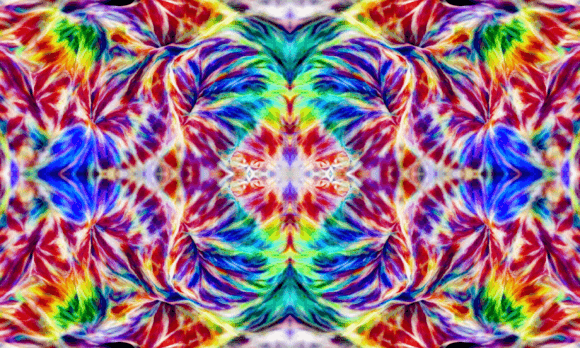
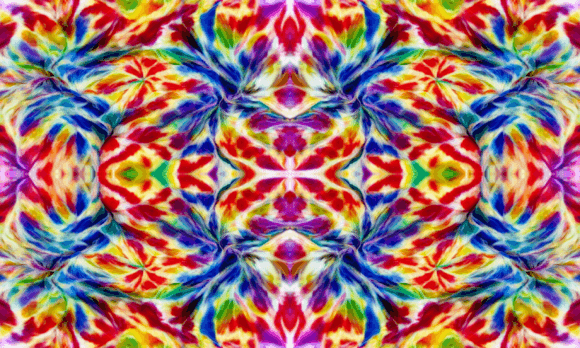
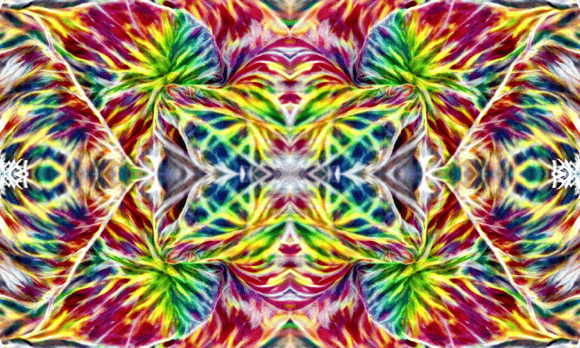
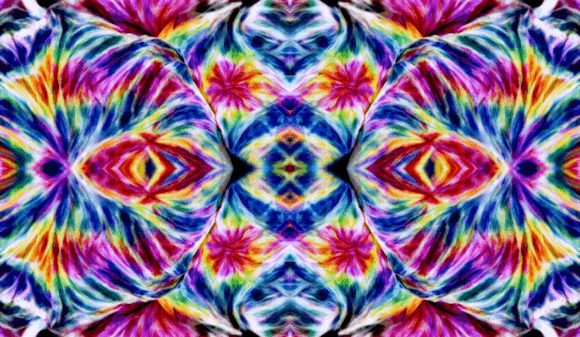
The value of incorporating a colourful trendy Tie dye fabric art inspired seamless pattern lies in its ability to bridge the gap between structured corporate identity and human-centric creativity. For entrepreneurs, marketers, and content creators, the decision to utilize such a pattern should not be impulsive. Instead, it requires a clear understanding of how these visual elements support broader goals, whether that involves differentiating a product line, softening a rigid web interface, or creating memorable physical merchandise through sublimation printing.
Defining the Asset and Its Strategic Utility
At its core, a Tie Dye Inspired Seamless Pattern is a digital graphic file, typically provided in high-resolution PNG format, designed to be tiled infinitely without visible seams. Unlike static images that lose quality when stretched, a seamless pattern maintains its integrity across any surface area, from a small business card to a large-scale banner. The inclusion of specific elements, such as a distinct brush stroke or a heart-shaped background component within the pattern set, adds layers of customization that allow designers to tailor the output to specific emotional triggers.
From a strategic perspective, the utility of this asset extends beyond mere decoration. In branding, consistency is key, but so is evolution. A groovy, cool pattern can serve as a secondary brand element that keeps a visual identity fresh while retaining recognition. For instance, a tech startup might use a muted version of a tie-dye pattern in their internal documentation to foster a culture of creativity, while a fashion retailer could use the vibrant, full-saturation version for summer campaign backgrounds to evoke feelings of freedom and individuality.
The "seamless" nature of the file is particularly critical for operational efficiency. It eliminates the need for complex Photoshop masking or manual repetition, allowing teams to scale designs rapidly. Whether you are preparing files for sublimation print backgrounds on apparel or setting up web elements for a landing page, the ability to tile a single PNG file ensures that the final output looks professional and intentional, regardless of the dimensions required.
Aligning Visual Choices with Business Goals
Integrating a Tie Dye Inspired Seamless Pattern into your workflow should always begin with a clear definition of your objectives. Are you trying to capture the attention of a younger demographic? Do you need to soften the user experience on a financial app to make it feel less intimidating? Or perhaps you are looking to increase the perceived value of a handmade product through sophisticated packaging?
Thoughtful application of these patterns supports several key areas:
- Brand Positioning: Using a trendy tie-dye aesthetic can signal that a brand is current, approachable, and culturally aware. It moves the needle away from sterile minimalism toward something more expressive.
- Customer Experience: In web design, background textures can reduce eye strain compared to stark white backgrounds. A subtle, low-opacity tie-dye wash can create depth and guide the user's focus to primary call-to-action buttons.
- Product Differentiation: In the realm of physical goods, specifically those created via sublimation, the uniqueness of the pattern becomes the product itself. A distinctive swirl or color combination can become a signature look that customers associate exclusively with your business.
- Communication Tone: The inclusion of a heart-shaped element within the pattern can subtly communicate care, community, or love, which is particularly effective for non-profits, wellness brands, or Valentine's Day marketing campaigns.
When planning your creative assets, consider the psychological impact of the colors and shapes. A chaotic, high-contrast tie-dye might energize an audience for a music festival promo, whereas a pastel, watercolor-style tie-dye might better suit a baby shower invitation or a mindfulness blog. The decision dictates the outcome.
Practical Applications Across Industries
The versatility of a cool, groovy pattern makes it ideal for a wide variety of projects, but the approach must vary by medium. Here is how different professionals can leverage this asset effectively:
Sublimation and Fabric Printing
For small business owners in the print-on-demand space, the quality of the source file is paramount. A high-resolution PNG that tiles perfectly ensures that when printed on fabric, there are no awkward cuts or misalignments at the seams of a garment. The fluid nature of tie-dye mimics the organic look of dyed fabric, making it an excellent choice for leggings, scarves, and tote bags where a "hand-dyed" look is desired without the labor costs of actual dyeing.
Digital Marketing and Web Elements
Marketers can use these patterns to break up the monotony of standard grid layouts. By applying the pattern as a background overlay with reduced opacity, you create texture that adds sophistication without overwhelming the text. This is particularly useful for email headers, social media story backgrounds, and webinar slide decks where visual interest helps retain viewer attention.
Packaging and Cardmaking
In the world of physical stationery and packaging, the tactile implication of a tie-dye pattern can enhance the unboxing experience. Using the brush stroke element included in many of these packs allows for custom framing of logos or messages, adding a personal touch that mass-produced templates often lack. This attention to detail signals to the customer that thought was put into every aspect of the product.
Risk Management and Intentional Design
While the benefits are significant, relying on a Tie Dye Inspired Seamless Pattern without a clear strategy carries risks. The primary danger is visual clutter. If the pattern is too busy or the colors clash with your foreground content, readability suffers, and the brand message gets lost. This is a common pitfall when designers prioritize trends over function.
To mitigate this, always test your pattern against your primary content. Ask yourself: Does this background support the headline, or does it compete with it? Is the contrast sufficient for accessibility standards? Using the pattern randomly, simply because it looks "cool," can dilute brand authority and make a business appear unfocused.
Furthermore, context matters. A highly saturated, psychedelic tie-dye might be inappropriate for a legal firm's annual report or a medical device brochure. Understanding your audience's expectations is crucial. The goal is to use the pattern to enhance communication, not to distract from it. If the pattern draws more attention than the product or the message, it has failed its strategic purpose.
Planning for Long-Term Value
To achieve long-term results, treat your design assets as part of a larger ecosystem. A Tie Dye Inspired Seamless Pattern should not be a one-off experiment but a component of a cohesive visual language. Document how and when you use it. Create guidelines that specify opacity levels, color variations, and appropriate contexts. This ensures that as your team grows or as you outsource work, the application of these patterns remains consistent and aligned with your brand values.
Additionally, consider the longevity of the trend. While "groovy" aesthetics have cyclical popularity, focusing on the quality of the art and the flexibility of the seamless tile ensures the asset remains useful even as specific color trends shift. You can recolor the PNG or adjust the blend modes in your design software to keep the pattern relevant without needing to purchase new assets constantly.
Ultimately, the decision to incorporate a colourful trendy Tie dye fabric art inspired seamless pattern should be driven by a desire to connect more deeply with your audience through visual storytelling. By approaching these tools with a mindset focused on goals, planning, and user experience, you transform a simple graphic file into a powerful lever for business growth and creative expression. The difference between a good design and a great one often lies not in the asset itself, but in the intentionality behind its use.