Evaluating Tie Dye Inspired Seamless Pattern 11 for Creative Projects
In the evolving landscape of digital design assets, the demand for versatile, high-quality textures continues to grow. Among the myriad options available to graphic designers, crafters, and print-on-demand entrepreneurs, Tie Dye Inspired Seamless Pattern 11 stands out as a specific resource tailored for those seeking a retro-modern aesthetic. This asset is not merely a static image but a functional tool designed to integrate seamlessly into various workflows, from sublimation printing to web design. Understanding the specific characteristics, applications, and limitations of this pattern is essential for determining whether it aligns with your current project requirements.
Understanding the Asset Composition
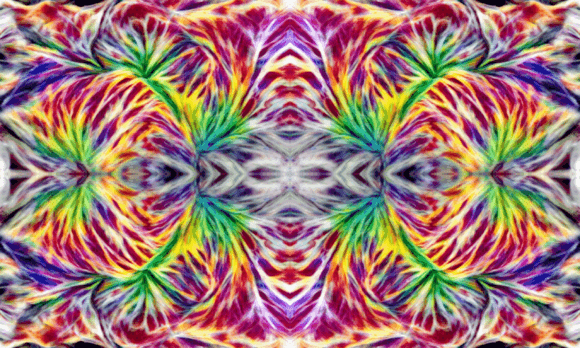
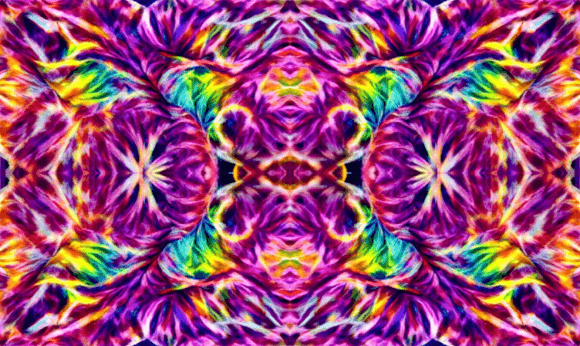
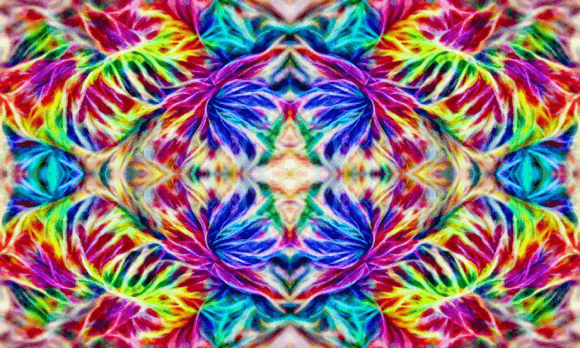
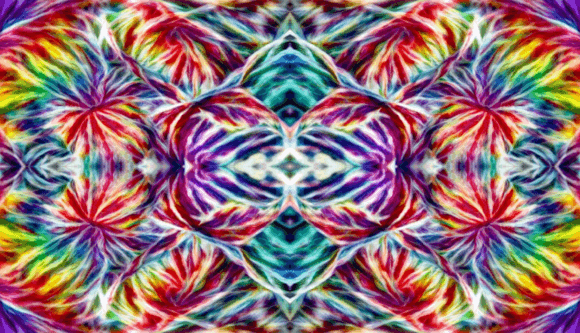
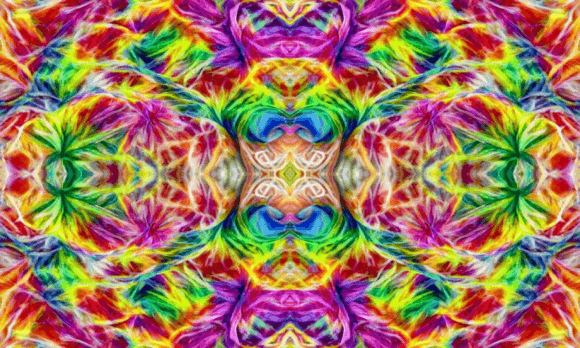
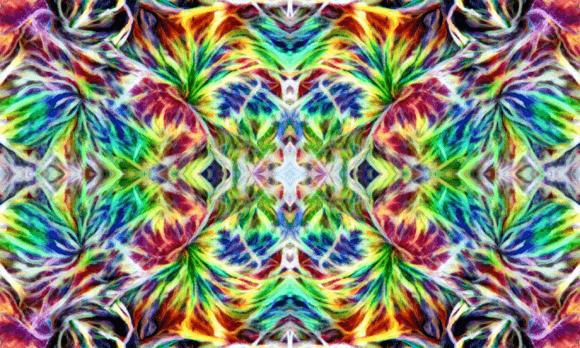
At its core, Tie Dye Inspired Seamless Pattern 11 is a digital file representing a colourful, trendy tie-dye fabric art inspired seamless pattern. The visual style is described as cool and groovy, evoking the psychedelic trends of the late 1960s and early 1970s while maintaining a contemporary resolution and colour balance suitable for modern displays and prints. The primary component is a single PNG file. The critical technical feature of this file is its seamlessness. When tiled horizontally and vertically, the edges align perfectly, allowing the pattern to cover areas of any size without visible breaks or discontinuities.
Beyond the main repeating background, the package includes two distinct supplementary elements: a brush stroke element and a heart-shaped background element. These additions provide designers with modular components that can be used independently or in conjunction with the main pattern. The inclusion of these extra assets increases the utility of the download, offering flexibility for compositions that require focal points or decorative accents alongside the repetitive background texture.
Primary Applications and Use Cases
The versatility of this pattern makes it suitable for a wide variety of projects. Evaluating where this asset fits best requires looking at both digital and physical mediums.
- Sublimation Printing: This is arguably the strongest use case. Sublimation requires high-resolution, seamless patterns to print on fabrics, mugs, and hardboards. The continuous nature of the tie-dye design ensures that when printed on large surfaces, such as leggings, yoga mats, or all-over-print t-shirts, the design flows naturally without awkward cuts.
- Fabric Design: For textile designers, having a pre-made seamless tile reduces the time spent creating repeat patterns from scratch. It serves as an excellent base for custom fabric lines, particularly for brands targeting a youthful, bohemian, or retro demographic.
- Web Elements and UI Design: In digital interfaces, subtle backgrounds can add depth without distracting from content. This pattern can be used as a background for landing pages, blog headers, or social media graphics. The PNG format supports transparency if utilized correctly, though typically, tie-dye patterns are opaque. Designers must consider contrast ratios when overlaying text.
- Cardmaking and Scrapbooking: The included brush stroke and heart elements are particularly relevant here. Crafters can use the main pattern for background paper designs, while the heart element can serve as a central motif for greeting cards, invitations, or digital scrapbook layouts.
Benefits of Using Pre-Made Seamless Patterns
Creating a high-quality, seamless tie-dye pattern from scratch is a time-intensive process. It involves complex layering, masking, and careful edge-matching to ensure the repeat is invisible. By utilizing Tie Dye Inspired Seamless Pattern 11, creators bypass these technical hurdles. The immediate benefit is efficiency. Designers can focus on layout, typography, and overall composition rather than spending hours generating the base texture.
Furthermore, consistency is a significant advantage. When working on a brand identity or a product line, using a single source file ensures that the colour palette and stylistic elements remain uniform across different items. Whether applied to a business card or a large banner, the visual language remains coherent.
Considerations and Technical Tradeoffs
While the asset offers convenience, there are tradeoffs and considerations that users must evaluate. The first is file format. The asset is provided as a PNG. While PNGs support lossless compression and transparency, they are raster images. This means they have a fixed resolution. If a user attempts to scale the pattern significantly beyond its original dimensions, pixelation may occur. Therefore, it is crucial to check the resolution of the provided PNG against the intended print size. For large-format printing, such as billboards or large tapestries, the original file resolution must be sufficiently high to maintain clarity.
Another consideration is the "groovy" aesthetic itself. While trendy, tie-dye patterns are stylistically specific. They convey a casual, playful, and energetic vibe. This makes them ideal for lifestyle brands, youth-oriented products, and creative industries. However, they may be inappropriate for corporate, formal, or minimalist design contexts. Users should assess whether the emotional tone of the pattern aligns with their brand voice.
The seamless nature of the pattern also requires careful handling during implementation. Most design software, such as Adobe Photoshop or Illustrator, has specific tools for defining and applying patterns. Users unfamiliar with these tools may struggle to tile the image correctly. Additionally, when using the pattern for sublimation, colour management is critical. Screens display colours in RGB, while printers use CMYK. Vibrant tie-dye colours can shift during conversion. Users should perform test prints to ensure the final output matches their expectations.
When to Consider Alternatives
There are scenarios where Tie Dye Inspired Seamless Pattern 11 may not be the optimal choice. If a project requires vector scalability, such as logos or signage that needs to be resized infinitely without quality loss, a raster PNG pattern is not suitable. In such cases, vector-based tie-dye illustrations or procedural generation tools might be better alternatives.
Additionally, if a designer requires complete control over every swirl and colour gradient, a pre-made pattern may feel restrictive. Custom-created patterns allow for precise adjustments to colour saturation, contrast, and flow direction. If the project demands a unique, one-of-a-kind texture that cannot be replicated by others, creating a bespoke design is preferable to using a stock asset that may be licensed to multiple users.
For users seeking a more subdued or professional look, alternative textures such as watercolour washes, geometric gradients, or solid pastels might be more appropriate. The high energy and visual complexity of tie-dye can overwhelm designs that require clean lines and minimal distraction.
Decision-Making Insights for Creators
To determine if this asset aligns with your goals, consider the following questions:
- What is the end product? If you are producing physical goods via sublimation or printing fabric, the seamless nature of this pattern is a strong fit. If you are designing a scalable logo, it is not.
- Does the aesthetic match your audience? Evaluate whether your target demographic responds positively to retro, psychedelic, and colourful designs. If your audience prefers minimalism or industrial styles, this pattern may not resonate.
- Do you have the technical skills to tile and adjust colours? While the pattern is ready to use, achieving the best results often requires minor adjustments in design software. Ensure you are comfortable with basic image editing tasks.
- Is uniqueness a priority? If being the only user of this specific pattern is important, verify the licensing terms. Stock assets are often sold to multiple buyers, meaning others may use the same design.
In conclusion, Tie Dye Inspired Seamless Pattern 11 is a practical, efficient resource for designers and makers looking to incorporate vibrant, retro-inspired textures into their work. Its value lies in its readiness for tiling and its supplementary elements, which expand its creative potential. By understanding its technical constraints and stylistic implications, users can make informed decisions about whether this asset serves their specific project needs effectively.