Building a High-Converting SEO Marketing Agency Landing Page That Actually Works
In the crowded digital landscape, having a great service is only half the battle. The other half is communicating your value clearly and quickly to potential clients who are often overwhelmed with options. This is where a well-structured SEO Marketing Agency Landing Page becomes your most critical asset. It is not just a digital brochure; it is a strategic tool designed to convert visitors into leads by addressing their specific pain points with precision.
Whether you are running a boutique creative studio, a legal firm specializing in personal injury, or a financial advisory practice, the principles of effective landing page design remain consistent. You need clarity, trust, and ease of use. By leveraging modern design templates that prioritize user experience, you can create a professional online presence without needing to code from scratch. Let’s explore how these resources can transform your business outreach.
Why Design Matters for Professional Services
First impressions are formed in milliseconds. When a prospective client lands on your site, they are subconsciously judging your credibility based on visual cues. A cluttered, outdated, or non-responsive website suggests a lack of attention to detail—a trait no one wants in their lawyer, insurance broker, or investment consultant.
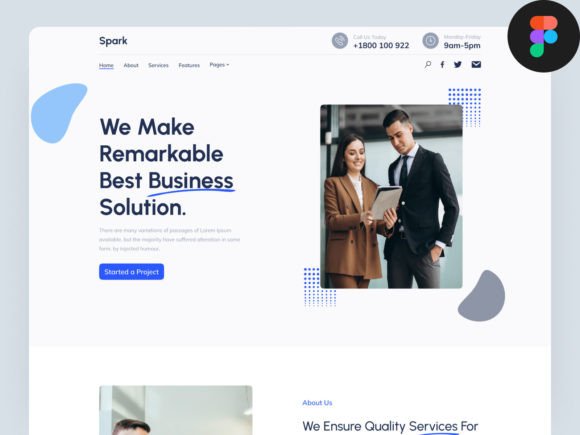
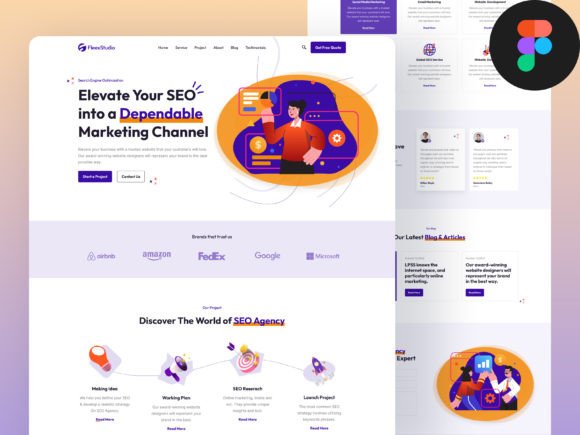
Using a template built on a robust framework like Bootstrap or a 1170px grid system ensures that your site looks polished on every device. Today, more than half of web traffic comes from mobile devices. If your landing page breaks on a smartphone or loads slowly on a tablet, you are losing business. Modern UI designs, such as those created in Figma, offer a clean, minimal aesthetic that guides the user’s eye toward the call-to-action (CTA) rather than distracting them with unnecessary elements.
Real-World Use Cases Across Industries
The versatility of a high-quality landing page template means it can be adapted for various professional sectors. Here is how different businesses can leverage these tools:
Legal Practices: Building Trust Instantly
For lawyers, especially those in criminal law or personal injury, clients are often in a state of stress or urgency. They need reassurance and clear information. A landing page that features prominent contact forms, clear explanations of services, and testimonials can provide immediate comfort. By using a template with well-organized layers and vector icons, you can highlight key areas of expertise—such as "Free Consultation" or "24/7 Support"—without cluttering the design. The goal is to reduce friction so that a worried individual can reach out for help with minimal effort.
Financial Advisors and Insurance Brokers
Trust is the currency of the financial world. Investment consultants and insurance brokers need to project stability and professionalism. A minimalist modern design helps convey this message. Instead of flashy animations that might seem frivolous, a clean layout with ample white space and professional typography (using free Google Fonts) signals seriousness and competence. You can use sections dedicated to case studies or success stories to demonstrate your track record, helping potential clients visualize their own financial security with your guidance.
Creative and Advertising Consulting
If you are an advertising consultant or a creative agency, your landing page is your portfolio. It needs to showcase your unique design sensibility. Templates that come with fully customizable Figma files allow you to tweak colors, fonts, and layouts to match your brand identity perfectly. You can integrate amazing vector illustrations and icons that reflect your creative style, ensuring that your online presence aligns with the innovative solutions you promise to deliver.
The Advantage of Using Figma-Based Templates
Many entrepreneurs and small business owners hesitate to build websites because they fear the technical complexity. This is where pre-designed templates shine. Specifically, templates created in Figma offer several distinct advantages that streamline the development process.
- Full Customizability: Unlike rigid website builders, Figma files allow you to adjust every element. Whether you need to change the color scheme to match your brand guidelines or rearrange sections to better tell your story, you have complete control.
- Organized Workflow: High-quality templates come with well-organized layers and components. This means you can easily find artboards, folders, and specific design elements without digging through a chaotic file structure. For developers or designers handing off the project, this organization saves hours of work.
- Vector Precision: Vector icons and illustrations ensure that your graphics look crisp on any screen resolution, from high-density Retina displays to standard monitors. This attention to detail enhances the perceived quality of your brand.
- Bootstrap Grid Compatibility: Many templates are designed with the Bootstrap grid system in mind. This makes the transition from design to code seamless for developers, ensuring that the final website behaves exactly as intended across different browsers and devices.
What to Consider Before Choosing a Template
While the benefits are clear, selecting the right template requires some strategic thinking. Do not just pick the prettiest design; pick the one that serves your business goals.
Identify Your Primary Goal: Are you looking to generate leads through a contact form, encourage phone calls, or sell a digital product? Ensure the template has a strong, clear CTA section that aligns with this goal. For service-based businesses like business consulting, a "Book a Call" button is often more effective than a generic "Learn More" link.
Check for Mobile Responsiveness: As mentioned earlier, mobile usage is dominant. Verify that the template includes specific artboards or design considerations for mobile views. A design that looks great on a desktop but fails on a phone is useless in today’s market.
Evaluate Customization Ease: If you are not a designer, look for templates that use standard components and styles. The ability to easily swap out images, text, and icons without breaking the layout is crucial. Templates that utilize Figma Styles and Components make this process intuitive, allowing you to maintain consistency throughout the page with minimal effort.
From Design to Deployment: Making It Live
Once you have customized your SEO Marketing Agency Landing Page template in Figma, the next step is development. Because these templates are often based on standard grid systems like the 1170px Bootstrap grid, developers can translate the design into HTML/CSS efficiently. This reduces development time and cost, allowing you to launch your site faster.
Remember, the content is just as important as the design. Use clear, concise language that speaks directly to your audience’s needs. Avoid jargon unless your audience is highly specialized. For example, if you are targeting small business owners, explain how your financial advice can save them money in simple terms. If you are a criminal lawyer, emphasize your dedication to protecting their rights.
Final Thoughts on Digital Presence
In an era where digital first impressions dictate business success, investing in a professional landing page is non-negotiable. Whether you are a freelancer, a small business owner, or part of a larger consultancy, the right template can elevate your brand. By choosing a resource that offers unique design, full customizability, and mobile responsiveness, you set yourself up for long-term success.
Do not let technical barriers stop you from showcasing your expertise. With the right tools—like a well-organized Figma template—you can build a website that not only looks awesome but also drives real results. Focus on delivering value, maintaining a clean aesthetic, and making it easy for your clients to take the next step. That is the essence of effective digital marketing.